Isles of Valor - Open World Game
Description:
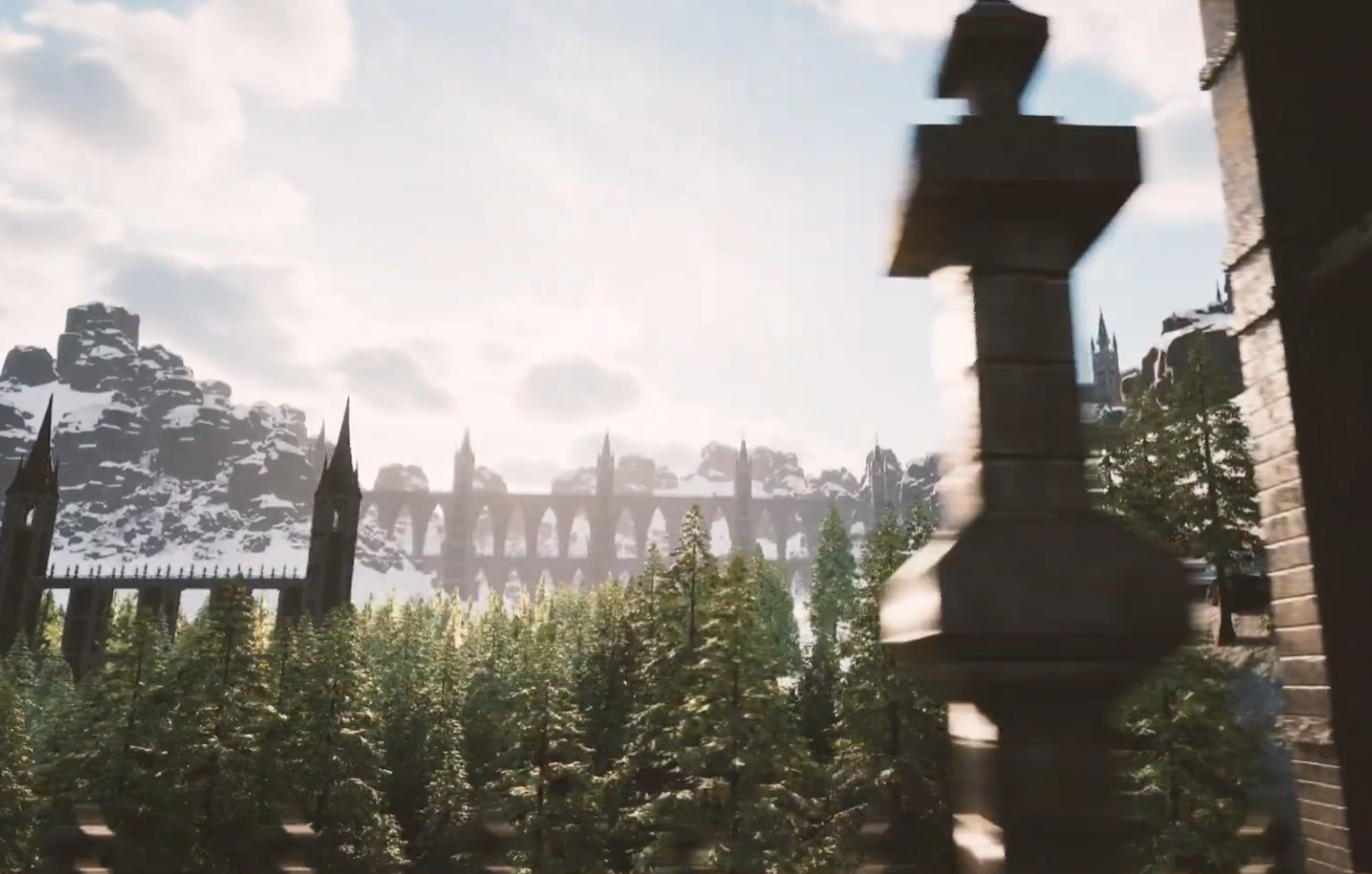
Isles of Valor is an open-world cooperative game I began with my friend, Zephyr, using Unreal Engine 5. The core concept is simple: players traverse a mountainous Norwegian landscape, carrying packages while avoiding sound-sensitive creatures that cannot see them. From the outset, the project was a platform for exploration, combining graphics, mechanics, and environmental storytelling. The game features a 32 km x 32 km procedurally generated map with mountains, forests, and rivers. Procedural generation was critical for creating dense forests and realistic terrain efficiently. I worked on AI mechanics, including creature behavior and pathfinding, while also contributing to procedural world design. Blueprints, Unreal’s visual scripting system, were used extensively to implement player movement, inventory systems, attacks, and interactions with the environment.
The project blends both artistic and technical elements. For example, shaders were created for realistic water and atmospheric effects using Fast Fourier Transforms to generate wave patterns. Assets were a combination of purchased and custom-made models. We also incorporated satellite height maps, World Creator software, and UE5 landscape materials to replicate Norwegian terrain realistically. The development process was iterative: I would prototype a mechanic or visual feature, test it in the world, adjust parameters, and then refine it based on playability and aesthetic coherence. Concept boards were invaluable for maintaining visual consistency and realism, especially for forests, towns, and character designs.
The most rewarding part of Isles of Valor is its combination of long-term creative freedom and immediate visual feedback. I can create a mechanic or environment feature and instantly experience it in the game, which provides a tangible sense of accomplishment. Challenges included optimization for large-scale terrain and dense foliage, which required learning techniques for performance management in UE5. This project taught me to balance artistic vision, technical constraints, and iterative problem-solving. While the game is still in progress, it represents a long-term passion project where I can explore the intersection of graphics, mechanics, and programming, and it has solidified my love for open-ended game development.
Tools:
All the tools that I used in this project:
Unreal Engine 5 Blender World Creator Blueprints HLSL Quixel Megascans GitHub